Munich history museums tell one of Europe’s most layered city stories — from the founding by Henry the Lion in 1158 through the Wittelsbach royal dynasty, the rise of Hitler’s Nazi Party (Munich was the city where Hitler launched his career), Allied bombing and post-war reconstruction, the 1972 Olympic Games tragedy, and the diverse multicultural city of today. The historical institutions split into several specialties: WWII and Third Reich history at the Documentation Centre; comprehensive Munich history at the Stadtmuseum; royal history at the Residenz and Nymphenburg; and regional craft and art at the Bavarian National Museum. This guide covers the best history museums in Munich with itineraries, ticket strategies, and the sensitive context essential for the WWII-focused sites.
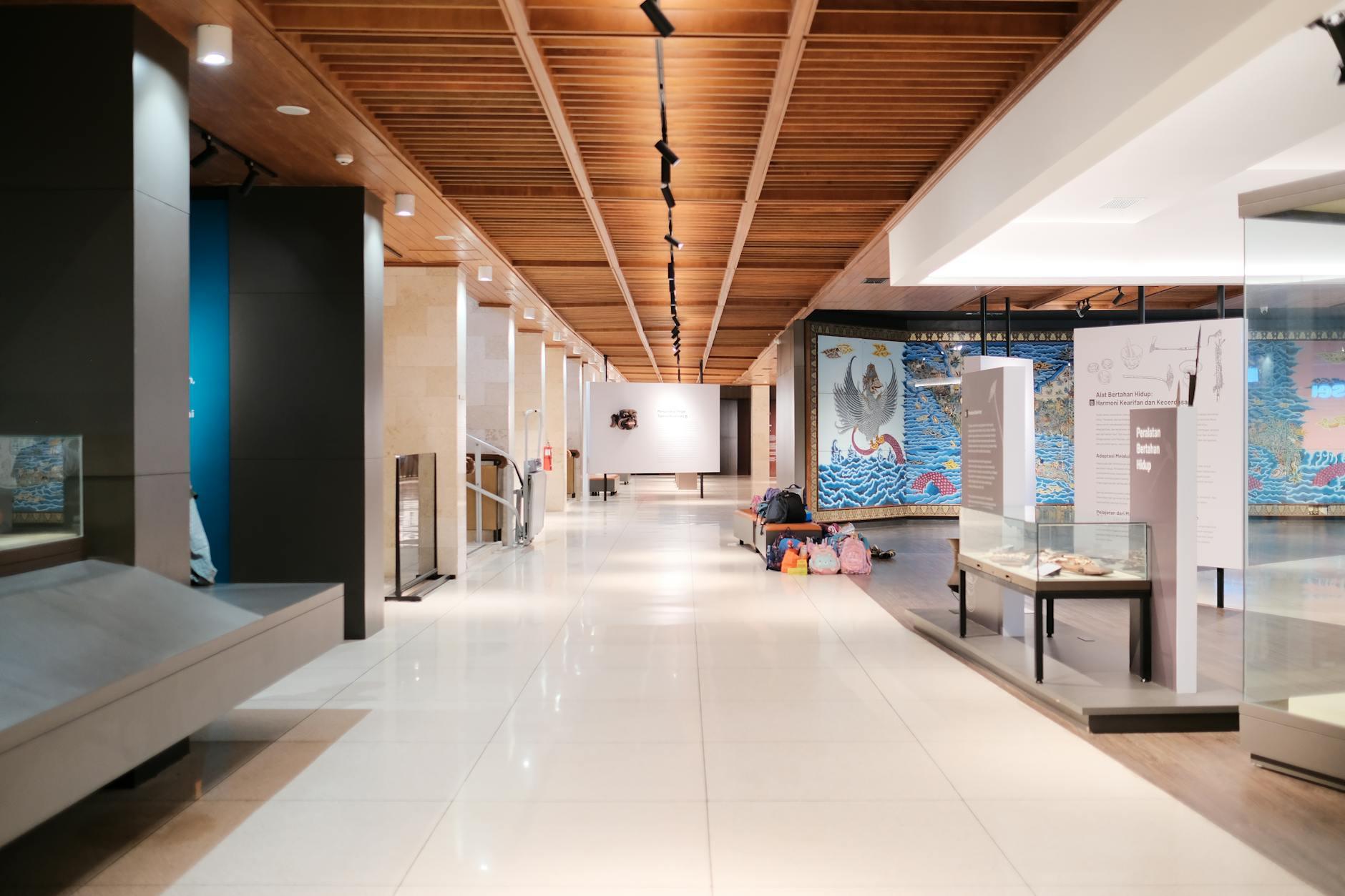
Best Munich History Museums at a Glance
| Museum | Specialty | Cost | Time Needed |
|---|---|---|---|
| NS Documentation Centre | Munich’s Nazi-era history | Free | 2 hours |
| Bavarian National Museum | 1,000 years of Bavarian art and craft | €8, U18 free | 2-3 hours |
| Münchner Stadtmuseum | Munich city history from medieval origins | €7, U18 free | 1.5-2 hours |
| Munich Residenz (museum + Treasury) | Wittelsbach royal palace | €10+€10 or €17 combo | 3-4 hours |
| Nymphenburg Palace + Marstallmuseum | Royal summer residence + carriages | €8+€7 or €15 combo | 3-5 hours |
| Documentation Centre Nazi Rally Grounds | Pre-war Nazi rallies and propaganda | €6, U18 free | 2-3 hours |
| Dachau Memorial Site | Concentration camp memorial | Free | 3-4 hours |
| Jewish Museum Munich | Munich’s Jewish community | €6 | 60-90 min |
| Museum Brandhorst | Contemporary art context | €7 | 90 min |
Munich’s Three Defining Historical Threads
Munich’s history museums broadly tell three stories. The Wittelsbach royal thread covers 700 years of Bavaria’s ruling family (1180-1918) — the Residenz, Nymphenburg, and major collections. The 20th-century thread covers Nazi rise, WWII bombing, post-war recovery, and modern democracy — the Documentation Centre, the Nazi Party Rally Grounds, and Dachau. The Munich city thread covers urban history, Bavarian regional culture, the city’s role in the Reformation, and contemporary issues — the Stadtmuseum and Bavarian National Museum. Most serious history-focused trips visit at least one museum from each thread.
NS Documentation Centre
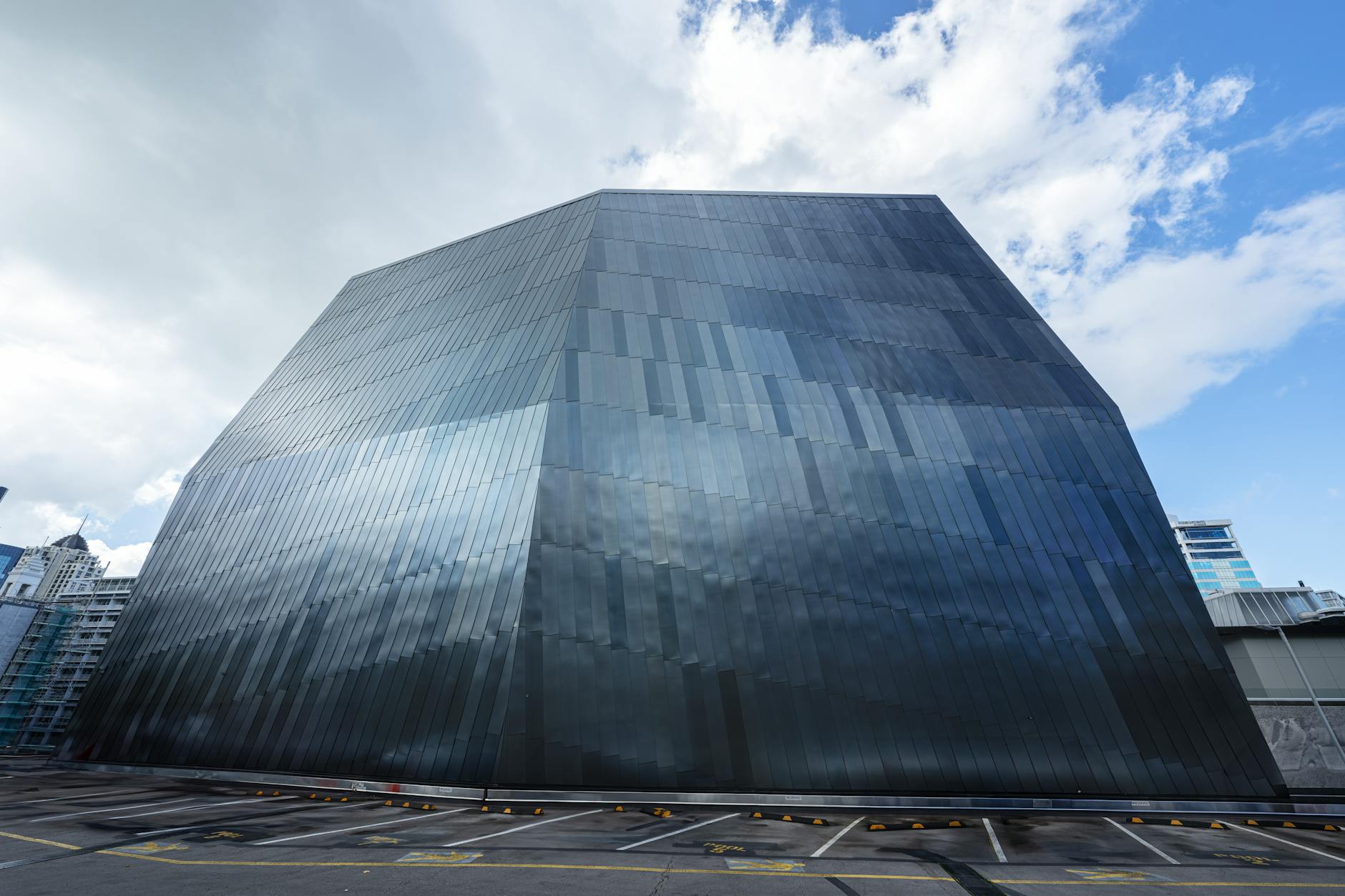
Opened in 2015 on the site of the former Brown House (Nazi Party headquarters) on Brienner Straße, the NS Documentation Centre is Munich’s primary site for confronting the Nazi era. Munich was where Hitler launched his political career, the site of the failed 1923 Beer Hall Putsch, and the headquarters of the Nazi Party. The centre documents this history through photographs, films, and personal artifacts. Free entry; allow 2 hours. Not recommended for children under 12. The architecture (a stark white cube by Georg Scheel Wetzel) is intentionally challenging.
Bavarian National Museum (Bayerisches Nationalmuseum)
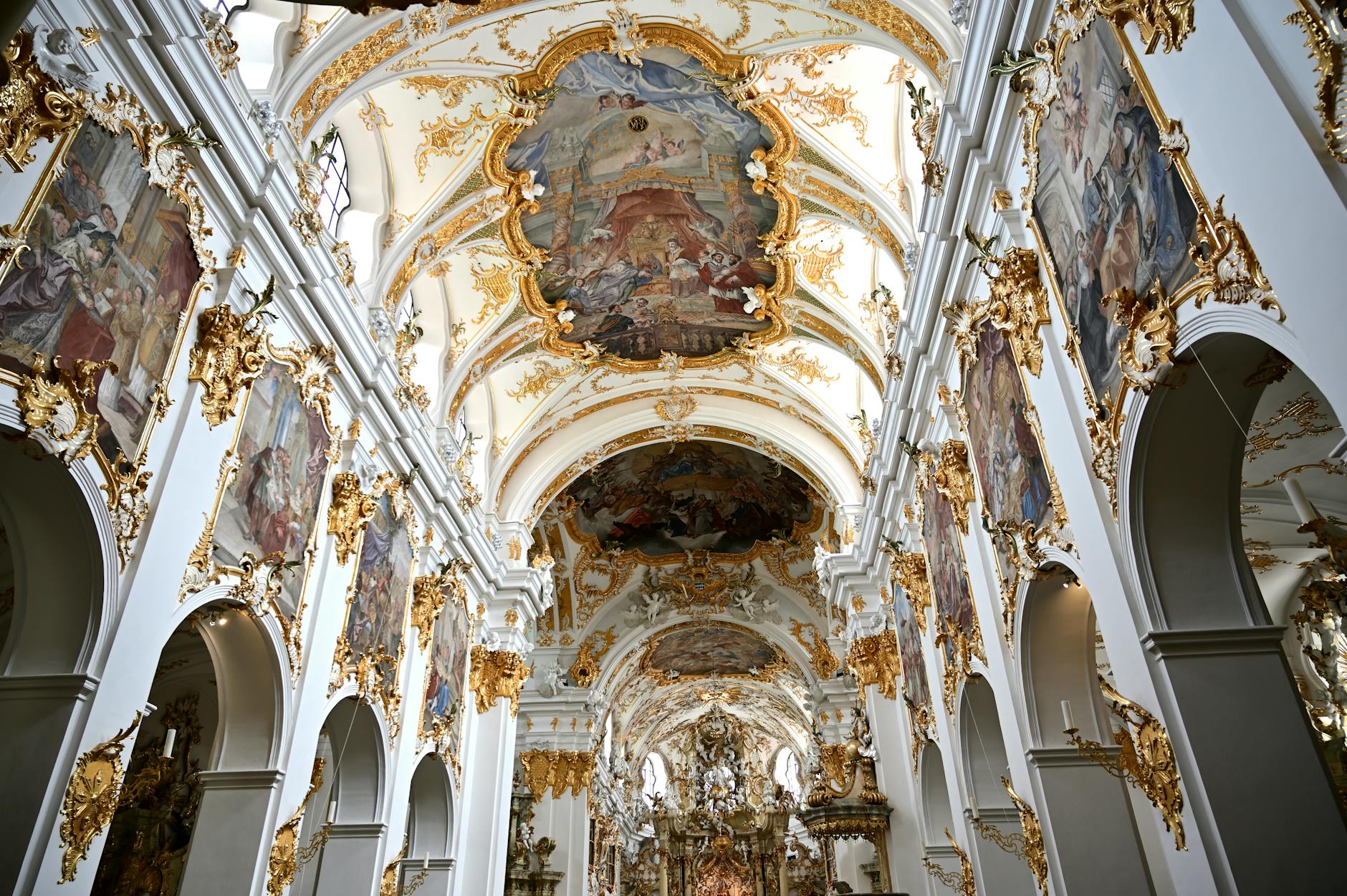
Founded by King Maximilian II in 1855, the Bavarian National Museum holds 1,000 years of Bavarian art, craft, and decorative culture. Major highlights include the world’s largest collection of medieval Riemenschneider sculpture, ivory carving collections, royal porcelain, religious art, folk costume, and the spectacular nativity collection (one of Europe’s finest). The museum occupies a grand neoclassical building on Prinzregentenstraße. €8 adult, under 18 free; Sundays €1. Allow 2 to 3 hours.
Münchner Stadtmuseum (Munich City Museum)
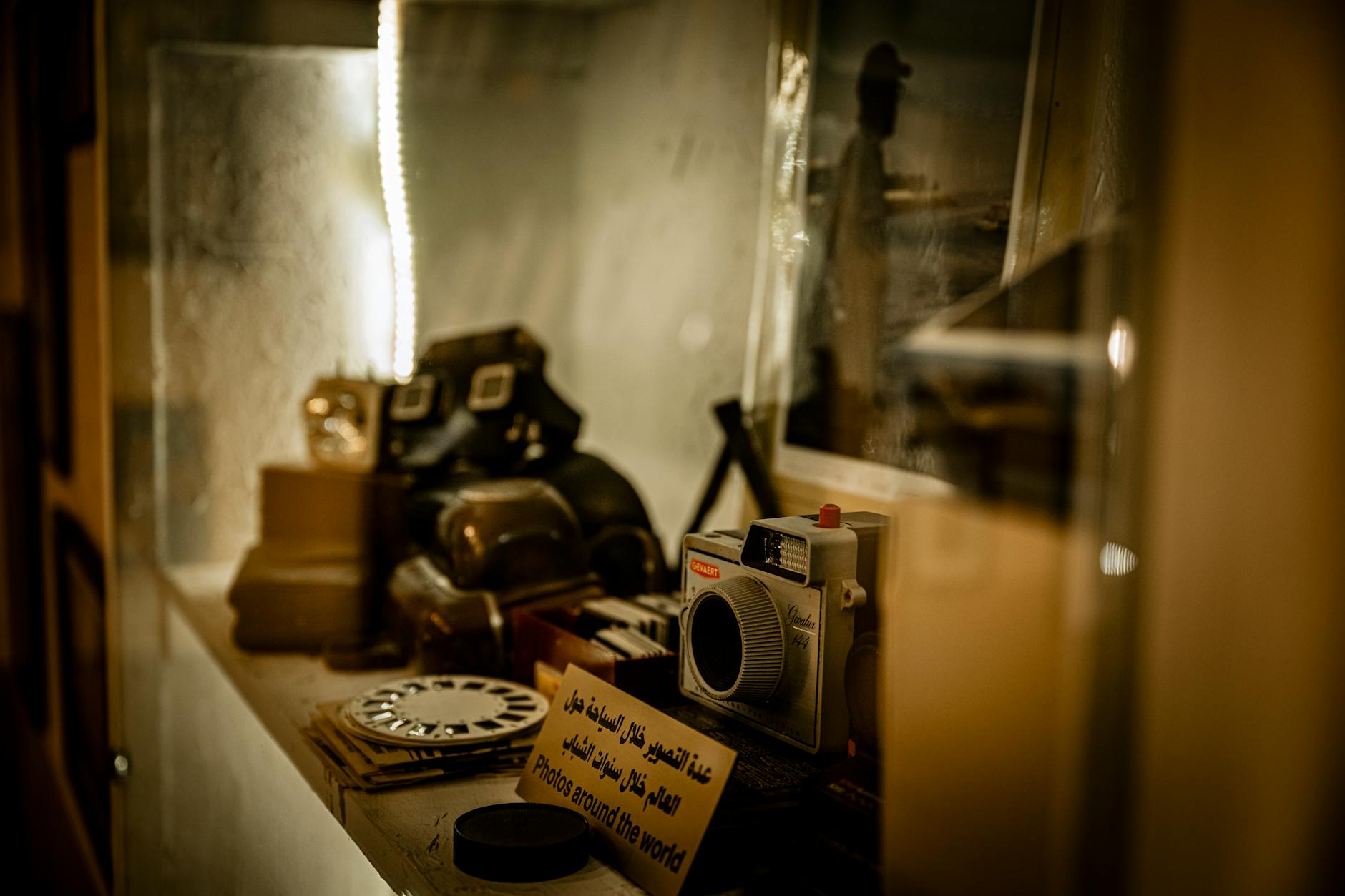
The Munich City Museum on Sankt-Jakobs-Platz traces the city’s history from medieval origins to the present. Major collections include the famous Moriskentänzer (Morris dancers, late-medieval wooden sculptures), Munich’s Brewery History, Photography from the city’s archives, Puppet and Toy collections, and rotating special exhibitions on Munich themes. Currently undergoing partial renovation through 2027; check current accessibility. €7 adult, under 18 free.
Munich Residenz: The Wittelsbach Heart
Germany’s largest city palace, the Munich Residenz traces the Wittelsbach dynasty from 1385 to 1918. The Residenz Museum covers the historic apartments (Renaissance to Neoclassical), the Treasury holds royal jewels and the Bavarian crown jewels, and the Cuvilliés Theatre is Europe’s most important rococo theatre. Combination ticket €17; under 18 free. Allow 3 to 4 hours for the full visit.
Nymphenburg Palace: Royal Summer Residence
The Wittelsbach summer palace, built 1664-1726. The Hall of Mirrors, Royal Apartments, four park pavilions (Amalienburg, Badenburg, Pagodenburg, Magdalenenklause), Marstallmuseum (royal carriages including Ludwig II’s spectacular Cinderella sleigh), and the Porcelain Museum. €15 combination ticket; under 18 free. Allow 4 to 5 hours.
Documentation Centre Nazi Party Rally Grounds (Nuremberg)
Technically in Nuremberg (90 minutes north by ICE), but worth a day trip from Munich for visitors interested in WWII history. The 1933-1938 Nazi Party rallies took place here; Albert Speer’s unfinished Congress Hall houses the museum. €6 adult, €1.50 child. The two-day combo of Munich’s Documentation Centre and the Nuremberg one is the most comprehensive Bavarian Nazi-era experience available.
Dachau Concentration Camp Memorial
The first Nazi concentration camp (opened 1933), 18 km northwest of Munich. The memorial is preserved as a place of remembrance and education. Free entry; audio guide €4.50. Allow 3 to 4 hours minimum. Not recommended for children under 12; the content is deeply distressing. The site sees roughly 800,000 annual visitors who come to bear witness.
Jewish Museum Munich (Jüdisches Museum)
On Sankt-Jakobs-Platz, opened 2007 alongside the Ohel Jakob Synagogue. The museum documents the history of Munich’s Jewish community from medieval times through the Holocaust to the present. The permanent exhibition is modest but moving; rotating special exhibitions are often outstanding. €6 adult. Allow 60 to 90 minutes.
Sample Munich History Itineraries
Single Day Royal History
- 10:00 — Open at the Residenz; full guided route with Treasury (3 to 4 hours).
- 14:00 — Lunch in the old town.
- 15:30 — Tram 17 to Nymphenburg Palace.
- 16:00 — Main palace and Marstallmuseum (2 hours).
- 18:00 — Return to Munich.
Single Day 20th-Century History
- 09:30 — Coffee on Königsplatz.
- 10:00 — NS Documentation Centre (2 hours).
- 12:30 — Lunch.
- 14:00 — S-Bahn to Dachau Memorial.
- 15:00 — Dachau Memorial visit (3 to 4 hours).
- 19:00 — Return to Munich; quiet evening recommended.
Two-Day Munich History Deep Dive
- Day 1 (Royal): Munich Residenz (4 hours), lunch, Nymphenburg Palace (4 hours).
- Day 2 (20th Century): NS Documentation Centre (2 hours), Bavarian National Museum or Jewish Museum (2 hours), evening reflection or Dachau Memorial as a third day.
Practical Tips for Visiting Munich History Museums
- Sunday €1 days at the Bavarian National Museum and other state institutions.
- Bayern Pass 14-day at €35 covers the Residenz, Nymphenburg, and several other state sites — best value for serious history visitors.
- NS Documentation Centre is always free — visit any time.
- Dachau Memorial requires emotional energy — schedule a quiet afternoon afterward; don’t combine with a beer hall.
- The Munich Residenz audio guide is excellent and free with admission.
- Children under 18 enter free at the state-run museums (Residenz, Nymphenburg, Bavarian National Museum, etc.).
- Photography: Allowed without flash at most museums; some special exhibitions ban photography.
- Cloakrooms: Free and well-staffed at major museums; large bags must be checked.
- Audio guides: Available in English, French, Italian, Spanish, Japanese at most major museums.
Visiting Sensitive Sites: A Note
The Documentation Centre, Nazi Party Rally Grounds, Dachau Memorial, and Jewish Museum address some of history’s most traumatic events. These are not casual tourist stops. A few suggestions for visitors:
- Don’t combine with light tourism — Beer-hall dinners and Christmas-market browsing after a Dachau visit feel emotionally jarring.
- Read up beforehand — Primo Levi, Elie Wiesel, or shorter modern accounts add depth.
- Take your time — These sites reward slow reading and reflection.
- Children’s appropriateness — Most professionals recommend age 13+ minimum, with parental conversation.
- Photography restraint — Selfies at memorial sites are unwelcome and disrespectful.
- Speak quietly — These spaces ask for solemnity.
Frequently Asked Questions
Which history museum should I visit if I only have time for one?
Depends on interest. For a single museum capturing all of Munich’s history: the Münchner Stadtmuseum. For royal history: Munich Residenz. For 20th-century history: NS Documentation Centre. For art and craft history: Bavarian National Museum. For raw immersive impact: Dachau Memorial.
Are guided tours available in English?
Yes. The major state museums offer English-language guided tours regularly (€5 to €15 supplement above admission). Specialized tour operators run Third Reich-focused walking tours of Munich (€20 to €45) combining multiple sites in one guided day.
Are children allowed at all the history museums?
Under-18s enter free at all the state museums. The Residenz, Nymphenburg, Bavarian National Museum, and Stadtmuseum work well for kids 8+. The Documentation Centre and Dachau Memorial are not recommended for under-12s; younger teens (13+) benefit from preparation conversations.
Are these museums accessible to wheelchair users?
Most are well-equipped. The Residenz, Bavarian National Museum, Pinakothek der Moderne, NS Documentation Centre, and Stadtmuseum are step-free with elevators. Nymphenburg Palace’s central pavilions are accessible; the four garden pavilions have steps. Dachau Memorial is wheelchair-accessible throughout.
Munich’s Historical Timeline at a Glance
| Period | Key events | Related Museums |
|---|---|---|
| 1158-1180 | Henry the Lion founds Munich; Wittelsbach dynasty established | Stadtmuseum |
| 1180-1505 | Munich grows as medieval Bavarian capital; Frauenkirche built | Stadtmuseum, Frauenkirche |
| 1505-1700 | Renaissance to Baroque expansion; Residenz transforms | Munich Residenz |
| 1700-1800 | Wittelsbach electoral power; Nymphenburg built | Nymphenburg Palace, Residenz |
| 1800-1825 | Napoleonic era; Bavaria becomes kingdom 1806 | Bavarian National Museum |
| 1825-1848 | King Ludwig I’s neoclassical Munich; Pinakothek built | Alte Pinakothek, Maxvorstadt |
| 1848-1918 | Final Wittelsbach reigns; Munich modernization | Munich Stadtmuseum |
| 1918-1933 | Weimar Republic; Hitler’s failed Beer Hall Putsch 1923 | NS Documentation Centre |
| 1933-1945 | Nazi era; rise of fascism; WWII bombing of Munich | NS Documentation Centre, Dachau, Nuremberg Trials |
| 1945-1972 | Post-war recovery; Bavarian state established | Stadtmuseum |
| 1972 | Munich Olympic Games and tragedy | Olympia Park, Stadtmuseum |
| 1972-present | Multicultural Munich; tech and finance growth | Stadtmuseum |
Munich Residenz: The Five Must-See Rooms
- Antiquarium — Largest Renaissance hall north of the Alps (66 m long).
- Ancestral Gallery (Ahnengalerie) — 121 portraits of Wittelsbach ancestors.
- Rich Rooms (Reiche Zimmer) — Rococo state apartment by Cuvilliés.
- Court Chapel (Hofkapelle) — Early baroque royal chapel.
- Treasury (Schatzkammer) — Bavarian crown jewels and goldsmith work.
Beyond Munich: Day-Trip History Sites
- Dachau Memorial (18 km NW) — Concentration camp memorial; 3 to 4 hours.
- Nuremberg Trials Memorium (170 km N) — Courtroom 600 from the post-WWII trials.
- Nuremberg Documentation Centre — Nazi Party Rally Grounds.
- Berchtesgaden Eagle’s Nest (Kehlsteinhaus) (180 km SE) — Hitler’s mountain retreat; sobering history.
- Salzburg Residenz (150 km E) — Salzburg’s archbishop palace.
- Linderhof Palace (95 km S) — Ludwig II’s smaller palace.
- Herrenchiemsee Palace (85 km E) — Ludwig II’s homage to Versailles.
- Neuschwanstein (130 km SW) — Ludwig II’s iconic fairytale castle.
- Hohenschwangau (130 km SW) — Ludwig II’s childhood home.
Frequently Asked Questions
Should I visit Dachau if I’m uncomfortable with concentration camps?
Yes, with preparation. The memorial is one of the most important moral and historical sites in Europe. The discomfort is part of the experience — that’s why it exists. Schedule a calm afternoon afterward, eat well beforehand, and don’t combine with a beer hall or party. Many visitors describe the Dachau visit as the most important part of their Munich trip.
How long does the Munich Residenz take?
Plan 3 to 4 hours for the full combination ticket experience (museum, Treasury, Cuvilliés Theatre). Casual visits to the museum-only section take 2 hours. The Treasury alone takes 60 to 90 minutes.
Are these museums good for non-German speakers?
Yes. Major Munich museums offer audio guides in English, French, Italian, Spanish, Japanese, Polish, and Hebrew. Wall text is typically bilingual German-English at major institutions. The NS Documentation Centre and Bavarian National Museum have particularly strong English documentation.
Is there a Munich History Pass?
Yes — the Bavaria 14-Day Museum Pass at €35 covers Bavarian state institutions including the Residenz, Nymphenburg, Schleißheim, Bavarian National Museum, and many others outside Munich. Best value for serious history-focused multi-day visits.
Combining History Museums with Walking Tours
Munich’s history is more impactful when paired with on-foot exploration. Several established operators run history-focused walking tours that connect the museums with their physical sites:
- Third Reich Walking Tour (Radius Tours) — 2.5-hour walking tour of central Munich’s Nazi history, ending at the Documentation Centre. €18 to €25 per person.
- Beer Hall Putsch Tour (Sandeman’s) — Tip-based tour covering the failed 1923 putsch route from the Bürgerbräukeller to the Feldherrnhalle.
- Royal Munich Tour — Guided walking tour of the Residenz, old town royal sites, and Wittelsbach legacy. €15 to €25.
- Jewish Munich Tour — From the Jewish Museum through the Glockenbachviertel; €18.
- Munich Brewery History — Beer-focused tour with Hofbräuhaus history. €20 plus drinks.
- Dachau Memorial Tour with transit — Half-day guided experience from Munich; €25 to €40.
The Story Behind Each Sensitive Site
The Beer Hall Putsch (1923)
On 8-9 November 1923, Hitler and 2,000 Nazi supporters attempted to overthrow the Bavarian government by marching from the Bürgerbräukeller (a Haidhausen beer hall, since destroyed) toward the Feldherrnhalle on Odeonsplatz. They were stopped by police; 16 Nazis and 4 police officers were killed. Hitler was tried and imprisoned, but used his trial speech to launch national fame. The Documentation Centre covers the putsch in detail; the route can be walked from Haidhausen to Odeonsplatz today.
Dachau Concentration Camp
Dachau (1933-1945) was the first Nazi concentration camp. Initially for German political prisoners, by 1942 it had become a forced-labour camp imprisoning Jews, Roma, gay men, Jehovah’s Witnesses, and Soviet POWs. Over 41,500 people died at Dachau or its subcamps. The memorial site preserves the entrance gate, the maintenance building, the crematorium, and several reconstructed barracks. The bookstore on-site sells extensive English-language literature on the camp’s history.
Munich Olympics 1972
The 1972 Olympics aimed to project a peaceful, democratic post-war Germany. Tragedy struck on 5 September when Palestinian terrorists (Black September) took 11 Israeli athletes and coaches hostage at the Olympic Village. All 11 were killed in a botched rescue at Fürstenfeldbruck Airport. The Olympia Park today commemorates the events; the Munich Stadtmuseum holds a memorial exhibit. The 50th anniversary in 2022 prompted renewed reflection on the tragedy.
Frequently Asked Questions
Can children visit Nymphenburg Palace?
Yes — Nymphenburg is one of the most family-friendly history museums in Munich. The Marstallmuseum carriages, the park, and the Hall of Mirrors all engage children. Under-18s enter free. The audio guide has a youth-friendly track.
How much time do I need for all the major Munich history museums?
Three to five days for serious coverage: one day for the Residenz, one for Nymphenburg, one for 20th-century history (Documentation Centre + a Dachau day or Bavarian National Museum). Add the Stadtmuseum and Jewish Museum if time permits. Casual coverage in a 3-day trip means choosing 1 to 2 museums.
Reading and Watching to Prepare
- Books: Hans Fallada’s Alone in Berlin; Primo Levi’s If This Is a Man; Sebastian Haffner’s Defying Hitler; Antony Beevor’s Berlin: The Downfall 1945.
- Documentaries: The Architecture of Doom (1989); Munich (Steven Spielberg, 2005); Nuremberg: Justice in the Dock.
- Munich-specific: Sophie Scholl: The Final Days (2005); the Wittelsbach family memoirs and biographies.
- Long-form journalism: The New Yorker and the Atlantic regularly cover German memorial culture.
Beyond Munich: Bavarian History Museums Within Day-Trip Range
- Augsburg (40 min) — Roman heritage city; Fugger merchant family museums.
- Regensburg (1h 30m) — UNESCO city with Roman walls and medieval old town.
- Bamberg (2h) — UNESCO World Heritage; preserved medieval centre.
- Würzburg (2h) — Residence Palace (UNESCO World Heritage); Würzburg Residenz.
- Berchtesgaden (2h 30m) — Eagle’s Nest (Kehlsteinhaus) and salt mine history.
- Passau (2h 30m) — Three-river confluence with Bavarian-Austrian-Czech history.
- Coburg (3h) — Veste Coburg, Europe’s largest castle complex.
- Wartburg Castle (Eisenach, beyond Bavaria) — Where Luther translated the Bible.
Frequently Asked Questions
What’s the most underrated Munich history museum?
The Jewish Museum Munich. Most tourists skip it for the bigger Residenz and Nymphenburg, but it provides a focused, moving narrative of Munich’s Jewish community that adds essential context. €6 and 90 minutes; pairs well with a visit to the Ohel Jakob Synagogue next door.
Are Munich history museums good for first-time visitors?
Choose carefully. Start with the Residenz or Nymphenburg for accessible royal history; add the Stadtmuseum for city overview; tackle the Documentation Centre and Dachau on a second or third visit when you have emotional bandwidth. First-time visitors who try to cover everything in 3 days often feel overwhelmed.
Is the Munich History Museum scene comparable to Berlin’s?
Berlin has more Cold War and 20th-century coverage (Stasi Museum, DDR Museum, Berlin Wall sites). Munich has stronger royal history and the Nazi-rise narrative. Both cities are essential for serious 20th-century German history travelers; combining them in a two-city trip is the gold standard.
Are there free guided tours of Munich history?
Sandeman’s New Munich Free Walking Tour (tip-based, daily 11:00) covers the major sites with a 2.5-hour stroll. Sub München and other community organizations occasionally run free history walks. Most museum-specific tours are paid; the NS Documentation Centre offers free public guided tours on selected dates.
What about Munich’s medieval history?
Less visible than the royal Wittelsbach or 20th-century stories, but worth tracing. The medieval city walls survive only as fragments (Karlstor, Isartor, Sendlinger Tor); the Frauenkirche dates to 1488; St Peter’s is older. The Stadtmuseum covers medieval Munich’s role as a salt-trading town. For a full medieval immersion, day trips to Rothenburg ob der Tauber or Regensburg offer the experience that Munich’s old town only suggests.
How accessible are the museums on Mondays?
Most Bavarian state museums close on Mondays (Alte Pinakothek, Bavarian National Museum, Glyptothek, Egyptian Museum). The Residenz, Nymphenburg, and Documentation Centre remain open. The Stadtmuseum currently has reduced Monday hours due to renovation. Always check current opening times before visiting on a Monday.
Are there evening museum hours?
Limited but real. The Residenz and Pinakotheken stay open until 20:00 on Thursdays year-round. The Lange Nacht der Münchner Museen in October keeps 90+ museums open until 02:00. Major special exhibitions sometimes run evening hours. Check current schedules before planning an evening museum visit.
Plan Your Munich Trip
- Munich Museums and Culture — the master pillar
- Munich Residenz Guide — the royal palace deep dive
- Nymphenburg Palace — summer royal residence
- Dachau Memorial Day Trip — the concentration camp memorial
- Munich History Overview — broader historical context
Leave a Reply