Rothenburg ob der Tauber from Munich is the day trip that wins on visual postcard value. The walled medieval town two hours northwest of Munich looks as if it stepped straight out of a Brothers Grimm illustration — half-timbered houses leaning across narrow lanes, two kilometres of walkable ramparts, watchtowers, a year-round Christmas village, and a night watchman who still leads candle-lit tours through the streets after dark. For day-trippers based in Munich it is one of the most rewarding excursions in southern Germany, achievable as a long full day by train or as a much easier day by car or organised tour.
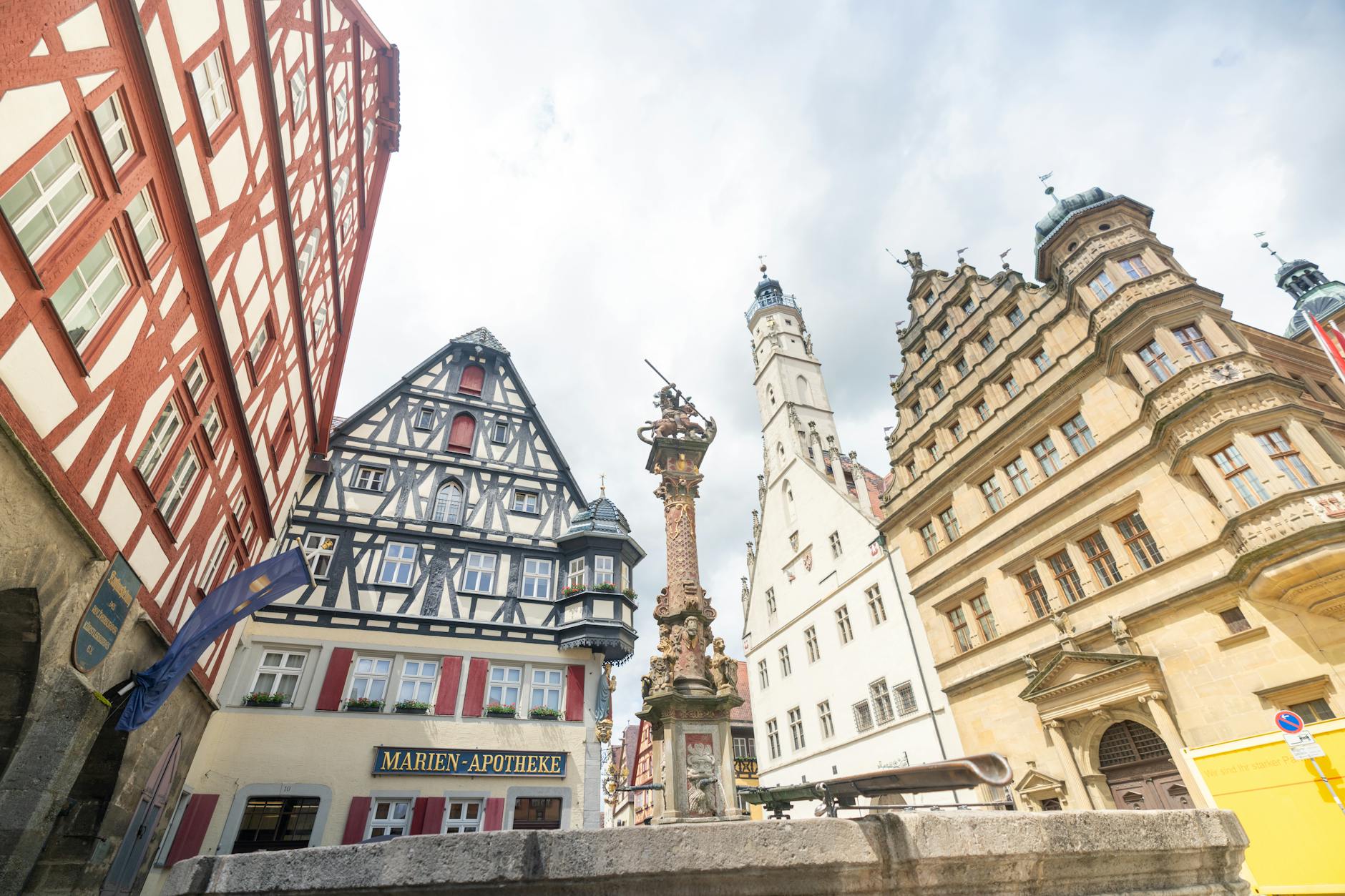
This guide covers everything you need to plan a Rothenburg ob der Tauber day trip from Munich: the cheapest and fastest transport options, a tested walking itinerary that hits the essential photo spots and skips the tourist traps, what to eat, how to time the Christmas markets, when to visit and when to avoid, and how Rothenburg compares to Nuremberg, Bamberg, and other Bavarian medieval towns. We’ve made it longer and more practical than the current first-page Google results, with current 2026 prices and concrete tips drawn from repeat visits across the seasons.
Rothenburg ob der Tauber at a Glance
| Detail | Information |
|---|---|
| Distance from Munich | 240 km northwest |
| Train time (with changes) | 2 hr 50 min to 3 hr 30 min via Treuchtlingen or Steinach |
| Drive time | 2 hr 15 min via A7 motorway |
| Tour bus time | 2 hr 30 min on Romantic Road coaches |
| Population | ~11,000 (about 2,500 inside the walls) |
| Best time to visit | Late spring (May–June), early autumn, December for markets |
| Time needed on site | 5–7 hours for highlights; 1–2 nights for everything |
| Cost of entry to the town | Free; individual museums charge €4–€8 |
| Most famous photo spot | Plönlein (intersection of Schmiedgasse and Spitalgasse) |
| Languages spoken locally | German, with widespread tourist-grade English |
How to Get to Rothenburg from Munich
By Train (Public Transport)
The standard route is Munich Hauptbahnhof → Treuchtlingen → Steinach → Rothenburg ob der Tauber. Both changes are timed and routine. The journey takes 2 hours 50 minutes to 3 hours 30 minutes one way, depending on connections. Standard single fare with Deutsche Bahn is €40–€55 each way booked on the day, falling to €20–€30 with advance Sparpreis tickets booked at least three weeks ahead. Bayern-Ticket (€29 first person + €10 each additional traveler up to 5, valid on all regional trains across Bavaria) is the cheapest option for groups and includes the Steinach-Rothenburg branch. Avoid the very last departure of the day — the Steinach connection in the evening can be tight.
By Car
Driving is faster and more flexible at around 2 hours 15 minutes each way via the A7 motorway. Park in P1 (Schweinsdorfer Straße) or P5 (Friedrich-Hörner-Weg) just outside the walls — both cost €3–€5 per day and are within 5 minutes’ walk of the centre. The medieval walls are closed to non-resident vehicles, so don’t expect to drive inside. Rental cars from Munich Airport start at around €45 per day for an economy car.
By Organised Tour
Several Munich-based operators (Gray Line, Viator partners, Radius Tours) run day-trip coaches to Rothenburg and Harburg as part of a single ‘Romantic Road’ itinerary, typically €70–€110 per adult including transport and a guided walking tour. These are easy and stress-free but cost more than self-organised train trips and give you only 2 to 3 hours on the ground in Rothenburg itself, which is tight.
Which Option Should You Choose?
| Option | Cost (round trip) | Time on Site | Best For |
|---|---|---|---|
| Bayern-Ticket train | €29–€69 | 5–7 hours | Independent travelers, groups, budget-conscious |
| Standard train | €80–€110 | 5–7 hours | Solo travelers who want comfort |
| Rental car | €60–€90 incl. fuel and parking | 8–10 hours | Multi-stop Romantic Road trips |
| Organised tour | €70–€110 | 2–3 hours in Rothenburg | First-timers who want hassle-free transport |
A Tested Self-Guided Walking Itinerary
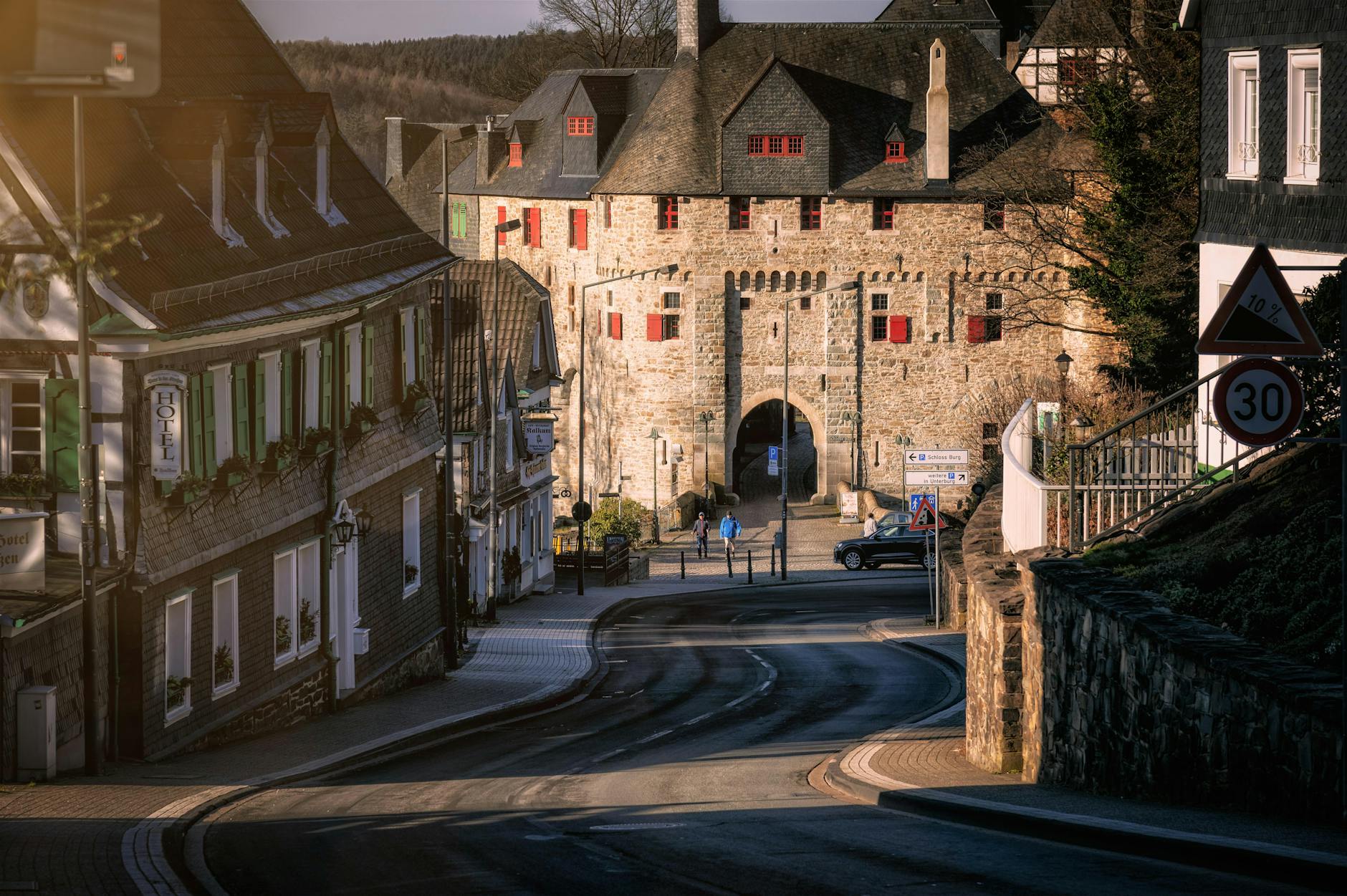
Five hours on the ground is enough for the essentials. Start at the Marktplatz, walk the walls, snake through the lanes, and finish with coffee and a Schneeball before the train back to Munich. Here’s the route that works.
- 10:30 — Arrive at Rothenburg ob der Tauber station, walk 12 minutes west to the Rödertor city gate.
- 10:50 — Marktplatz (Market Square): photograph the Rathaus (Town Hall) and Herrgottskirche St Jakob.
- 11:00 — Climb the Rathaus tower (€2.50, 60 m, narrow stairs) for the panoramic view.
- 11:30 — Walk the medieval walls (free, 2 km full loop, allow 60 minutes for the highlights).
- 12:30 — Lunch at Zur Höll, Hotel Eisenhut, or Mittermeier — German classics, mid-range prices.
- 14:00 — St Jakob’s Church to see Tilman Riemenschneider’s Holy Blood Altar (€3.50 entry).
- 14:30 — Medieval Crime Museum (€8 adult) — a touch dark but genuinely fascinating.
- 15:30 — Käthe Wohlfahrt Christmas Village and the German Christmas Museum upstairs (€5).
- 16:30 — Photo stop at the Plönlein (the most photographed corner of Germany).
- 16:45 — Coffee and a Schneeball at the original Diller bakery on Hofbronnengasse.
- 17:30 — Walk back to the station for the evening train to Munich.
Must-See Sights Inside the Walls
The Walls Themselves
Two kilometres of partially covered medieval walls ring the old town. The full circuit takes 45 to 60 minutes and is free at all times. The eastern and southern stretches are the prettiest, with views over half-timbered rooftops and the Tauber valley below. Many of the wall sections have been sponsored for restoration by visitors over the decades — look for the engraved donor plaques as you walk. Wear flat shoes; the wooden floors are uneven and the windows let in genuine breeze in winter.
The Plönlein
An intersection where the streets Schmiedgasse and Spitalgasse meet to form a postcard-perfect view of a half-timbered house flanked by two towers (the Kobolzeller Tor and the Siebersturm). It is the most photographed scene in Germany. Visit early morning (before 09:30) or late afternoon (after 16:30) to avoid the worst of the crowds. The corner appeared in Pinocchio (Disney’s 1940 film) and Harry Potter merchandise; it is now also unavoidable on Instagram.
St Jakob’s Church (Herrgottskirche)
Built between 1311 and 1471 in High Gothic style, St Jakob’s houses the Holy Blood Altar by Tilman Riemenschneider (1505) — one of the finest woodcarvings in the world. The altar is small but extraordinary, with delicate figures and an emotional Last Supper scene at its centre. Entry €3.50, audio guide €1. Plan 30 to 45 minutes for a proper look.
Medieval Crime and Justice Museum
Three floors of authentic medieval punishment devices, courtroom records, and torture implements, with English labelling throughout. Dark in subject matter but seriously well curated; not gratuitous, more thoughtful than gory. Genuinely interesting for anyone over 12. €8 adult, €4 student, family ticket €19. Allow 90 minutes.
Rathaus (Town Hall) and Tower
Two buildings joined into one — the Gothic east wing from 1250 and the Renaissance west wing from 1572. The 60-metre tower offers the best view in town for €2.50. The climb is genuinely tight (claustrophobics, beware) and the stair count is roughly 220, but the view is worth it.
Käthe Wohlfahrt and the German Christmas Museum
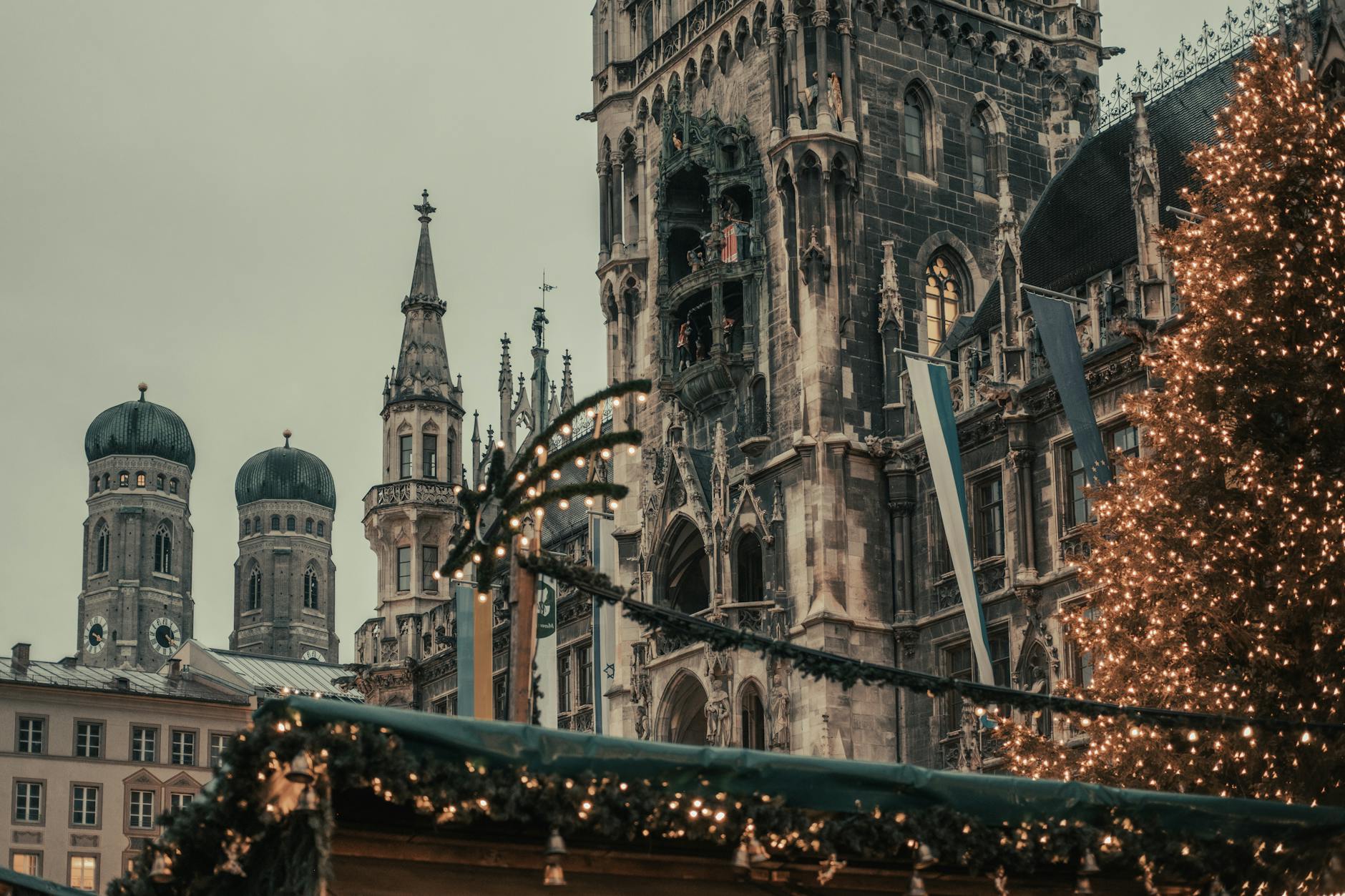
Käthe Wohlfahrt is the famous year-round Christmas shop that put Rothenburg on the international tourist map. The flagship store on Herrngasse is the size of a small department store, with over 50,000 ornaments for sale. Even sceptics should walk through; the scale alone is memorable. Upstairs the German Christmas Museum (€5 adult) traces the history of Christmas traditions through 19th-century ornaments, candles, and pyramid figures. Reservations not needed; allow 60–90 minutes.
The Night Watchman’s Tour
Every evening at 20:00 (March to December) and 21:30 (April to October) a costumed night watchman leads a 60-minute walking tour of the town in fluent English. €9 adult, free for children under 12, no reservation needed — just meet at the Marktplatz at the start time. Genuinely funny, informative, and a delightful way to end a long day. Highly recommended even if it means catching the late train back to Munich.
What and Where to Eat
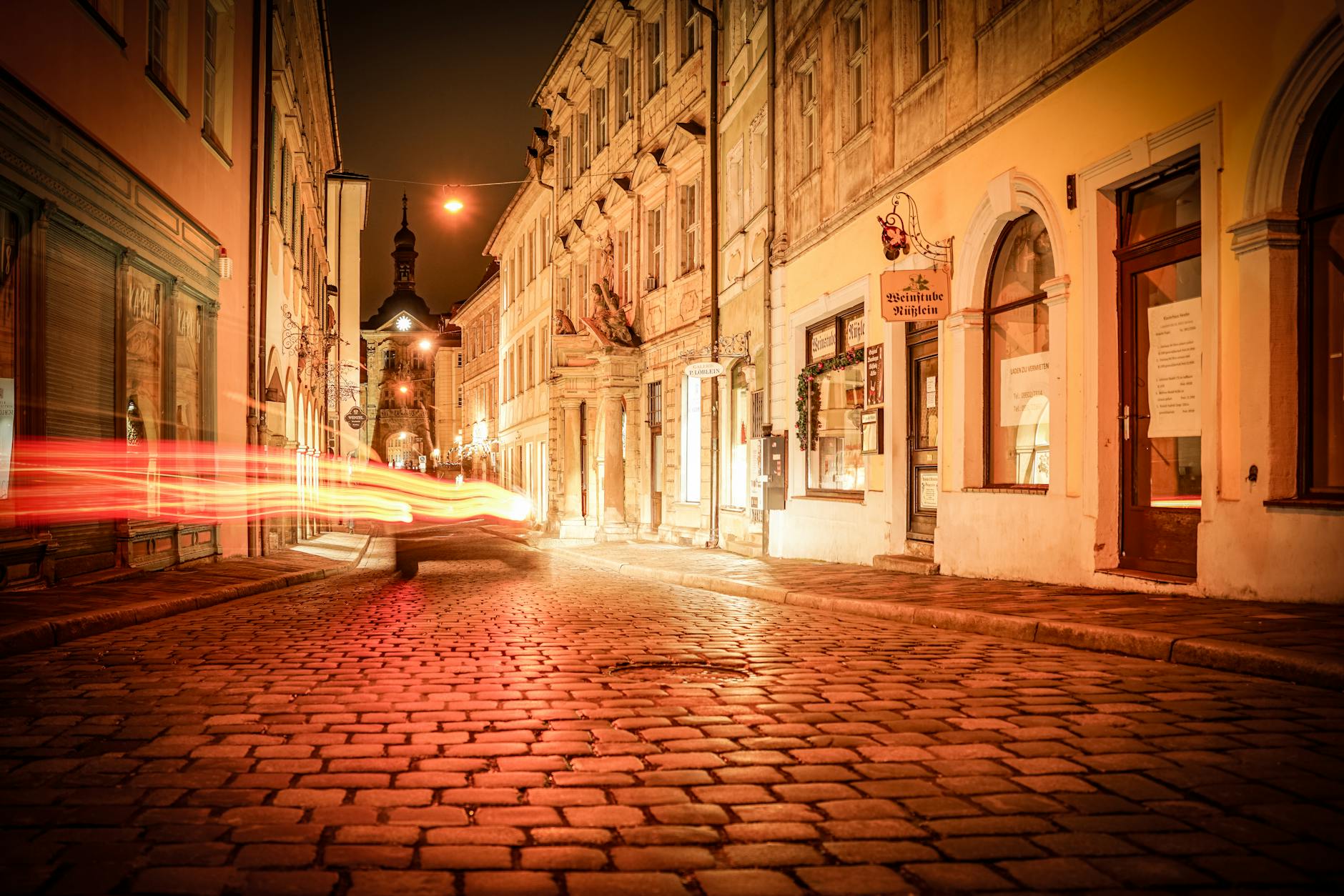
Rothenburg’s food scene is small-town traditional with a few standouts. Avoid the tourist traps directly on Marktplatz; eat one street back.
- Zur Höll — Cosy 13th-century cellar restaurant on Burggasse. Serious Franconian cooking. Mains €15–€25.
- Hotel Eisenhut — White-tablecloth dining in a 15th-century patrician house. €22–€38 mains. Book ahead.
- Mittermeier Restaurant — Modern Franconian with a strong wine list. €30+ for tasting menu.
- Café Diller — The original Schneeball bakery on Hofbronnengasse. Try the chocolate-coated version.
- Trinkstube Zur Hölle — Wine bar in a vaulted cellar. Franconian wines €4–€9 a glass.
- Hofcafé — Friendly café for coffee and Kuchen. Cash only, opens early.
Try the local Schneeball at least once — a Franconian shortcrust pastry rolled into a ball the size of a fist, deep fried, then dusted with sugar or coated in chocolate or marzipan. Originally a wedding sweet, it has become Rothenburg’s signature snack. They keep well for several days, so make excellent train-journey food.
Rothenburg’s Christmas Markets
Rothenburg goes into Christmas-card mode from late November to Christmas Eve, when the Reiterlesmarkt takes over the Marktplatz and the Käthe Wohlfahrt store does its annual outdoor extension. Stalls sell mulled wine, Schneeballen, Lebkuchen, hand-carved wooden Nutcrackers, and pyramid candle figures. The market is genuinely lovely, smaller and more intimate than Munich’s but considerably more crowded relative to its size — by 16:00 on a weekend it’s elbow-to-elbow. Visit on a weekday morning or in the first week of December for the best experience. Dates for 2026: Friday 28 November to Tuesday 23 December.
When to Visit (and When to Avoid)
| Season | Pros | Cons |
|---|---|---|
| Spring (Apr–May) | Mild weather, flowers, fewer crowds | Some restaurants still on reduced winter hours |
| Summer (Jun–Aug) | Long daylight, every museum open, festival programme | Peak crowds; weekends are full |
| Autumn (Sep–Oct) | Golden colours, comfortable temperatures, harvest menus | Christmas village still in low gear |
| Christmas (late Nov–Dec) | Reiterlesmarkt, snow possible, atmospheric | Crowded, short daylight, some museums close early |
| Winter (Jan–Mar) | Almost no tourists, snowy half-timbered photos | Many restaurants and museums on reduced hours |
How Rothenburg Compares to Other Bavarian Towns
Rothenburg sits on the famous Romantic Road — a 460-km tourist route from Würzburg to Füssen that strings together a dozen medieval towns. If you have time for more than one, here’s how Rothenburg compares to its peers.
- Rothenburg ob der Tauber — The most picturesque, the most touristed, the best for first-time medieval travellers. Best for one full day.
- Nördlingen — A perfectly preserved circular town inside a meteor crater. Smaller, quieter, and the closest competitor for photogenic walls. Half-day visit.
- Dinkelsbühl — Often called ‘the second Rothenburg’ but with fewer tourists. Excellent for a low-key day trip and a quieter alternative.
- Bamberg — Larger, less medieval-fantasy, more authentic UNESCO city. Worth a full day, but for a different reason — culture and Rauchbier rather than Brothers Grimm.
- Regensburg — Larger still, also UNESCO, the only town on this list with a real Roman past. Two or three hours from Munich by train.
Practical Tips and Insider Notes
- Bring cash — many smaller cafés and stalls don’t take cards.
- ATMs are inside the walls on Marktplatz and at the Sparkasse on Wenggasse.
- Public toilets are at the Rathaus, the Burggarten, and the tourist office; €0.50 to use.
- Carry a water bottle — public refill points by the wall walking-route are reliable in summer.
- Wi-Fi is available free across the town via the Rothenburg Open Network — connect in any café and you have it everywhere.
- If you can extend overnight, spend the second day in nearby Würzburg or Bamberg.
- The town can be walked in flat shoes but a thin sole helps with the cobblestones.
- Avoid the tourist-trap menu boards on Marktplatz; eat one street back.
- Photographs of the Plönlein in golden hour beat photographs at noon by a wide margin.
- If you only have time for one church, choose St Jakob’s over the Franziskanerkirche.
Where to Stay if You Want to Extend
Rothenburg rewards an overnight stay — the morning and evening (when the day-trippers leave) are quieter and more atmospheric than the midday peak. A short list of well-rated options inside the walls:
- Hotel Eisenhut — Five-star, 15th-century patrician house. Doubles €220+.
- Hotel Reichsküchenmeister — Family-run, half-timbered building. Doubles €130+.
- Burg-Hotel — Atop the medieval walls with valley views. Doubles €180+.
- Romantik Hotel Markusturm — Cosy, mid-range, central. Doubles €145+.
- Hotel Klosterstüble — Budget-friendly, traditional. Doubles €95+.
Frequently Asked Questions
Can I do Rothenburg as a day trip from Munich?
Yes. With the early train at around 08:00 and a return at 18:00 or 19:00, you have a comfortable 5 to 7 hours on the ground — enough for the highlights, the walls, lunch, and the Night Watchman tour at the late end.
Is Rothenburg worth visiting if I’ve already seen other German medieval towns?
Yes — Rothenburg is the most visually intact medieval town in Germany and one of the most complete in Europe. Even seasoned travelers who’ve seen Bamberg, Regensburg, Salzburg, and Prague find it worth a day for the walls and the Plönlein view alone.
Is Rothenburg accessible for visitors with mobility issues?
The cobblestone streets are challenging for wheelchairs and rollators; many of the historic buildings have steps; and the wall walk has narrow stair access. The Tourist Office on Marktplatz publishes an accessibility map. Allow extra time and prefer the western side of town, which is flatter.
Is there a left-luggage option at Rothenburg station?
Yes — coin-operated lockers at the station fit small bags for €2; larger lockers €4. Useful if you’re combining Rothenburg with onward travel.
The History Behind Rothenburg’s Survival
Rothenburg’s near-perfect preservation is not a happy accident. The town reached its peak in the 14th and 15th centuries as a Free Imperial City of around 6,000 inhabitants — larger than London at the same period. The Thirty Years War (1618–1648) devastated the local economy: Catholic Imperial troops under Field Marshal Tilly besieged and occupied the town in 1631, the population collapsed, and the surviving citizens never accumulated enough wealth in the centuries afterward to tear down their medieval houses and rebuild in the fashionable styles of the time. While Würzburg, Nuremberg, and other Franconian cities modernised in the Baroque era, Rothenburg simply… didn’t. Poverty preserved the town more effectively than any conservation order.
A second close call came in March 1945, when American P-47 bombers attacked Rothenburg believing it to be a German troop-staging point. About 40 percent of the town was destroyed, including the eastern wall and several iconic streets. U.S. Assistant Secretary of War John J. McCloy, whose mother had brought him a watercolour of Rothenburg from a pre-war trip, intervened to halt further destruction; he ordered the local commander to negotiate a peaceful surrender rather than artillery-shell the town into rubble. The local German officer, against Hitler’s no-surrender order, accepted. The town that survives today owes its post-war second life to a citizen rebuilding campaign and modest U.S. Marshall Plan funding through the 1950s.
The Meistertrunk Legend
The story Rothenburg’s tour guides love most concerns Tilly’s 1631 occupation. According to legend, the Catholic general agreed to spare the town if a local councillor could drink a tankard of nearly four litres of wine in a single draught. The former mayor Georg Nusch accepted the challenge, drained the tankard, and saved the town. The story is almost certainly apocryphal — there is no contemporary record — but it has been recreated at the Marktplatz Rathaus glockenspiel every day at 11:00, 12:00, 13:00, 14:00, 15:00, 20:00, 21:00 and 22:00 since 1910. Look at the upper-floor windows of the Ratstrinkstube building: the figures appear from doors on either side, and the wine is duly drunk. The annual Meistertrunk Festival on Whitsun weekend re-enacts the full story with townspeople in 17th-century costume.
Photography Tips
- Sunrise gives the Plönlein its softest light and is the only time you’ll have it nearly empty.
- Golden hour (about an hour before sunset) lights the eastern wall stretches beautifully.
- Cloudy days are good for the deeply shadowed lanes; harsh sun creates difficult contrast.
- The view from the Rathaus tower is best in late afternoon when sun is behind you facing east.
- Christmas-market photos work best at blue hour (the 30 minutes after sunset) when stall lights glow against deep blue sky.
- Avoid Saturday afternoons — coach tours arrive in clusters and ruin lighting and framing.
- Carry a 24mm or wider lens; many narrow streets reward the wide perspective.
Can I combine Rothenburg with Neuschwanstein in one day?
Not realistically. Rothenburg is 240 km northwest of Munich; Neuschwanstein is 120 km southwest. Connecting the two by car alone would require five hours of driving on top of the visits themselves. Take two separate days, ideally with an overnight in Füssen and a separate trip to Rothenburg.
Is Rothenburg suitable for kids?
Yes, particularly for kids who enjoy castles, knights, and medieval atmosphere. The walls walk is an adventure, the Night Watchman tour is genuinely engaging, and the Medieval Crime Museum captivates older children (12+). Avoid pushing strollers down the cobblestone alleys; baby carriers work better.
What’s the best souvenir to bring back from Rothenburg?
A Käthe Wohlfahrt hand-painted glass ornament. They are made in nearby Lauscha by traditional artisans, ship internationally if you don’t want to risk transit damage, and become a year-after-year reminder. Other reliable choices: a Riemenschneider art book from the St Jakob’s church shop, a bottle of Franconian Silvaner from Trinkstube Zur Hölle, or a tin of Schneeballen from Diller bakery.
Plan Your Munich Trip
Combine your Rothenburg day trip with these companion guides:
- Best Day Trips from Munich — the master overview
- Neuschwanstein Day Trip — Munich’s other iconic excursion
- Salzburg Day Trip Guide — across the Austrian border
- 3-Day Munich Itinerary — fitting day trips into a longer plan
- Bayern-Ticket Guide — the cheap regional travel pass
Leave a Reply